
Preparing for College: Three Things to Know
Thinking about college can be overwhelming for both students and parents alike.
Read MoreTeachers learn the ways their students think, identify any gaps in their knowledge, and determine the sweet spot between challenging and overwhelming their students. For new students, it can take some time to get accustomed to the additional hours of math class and homework!
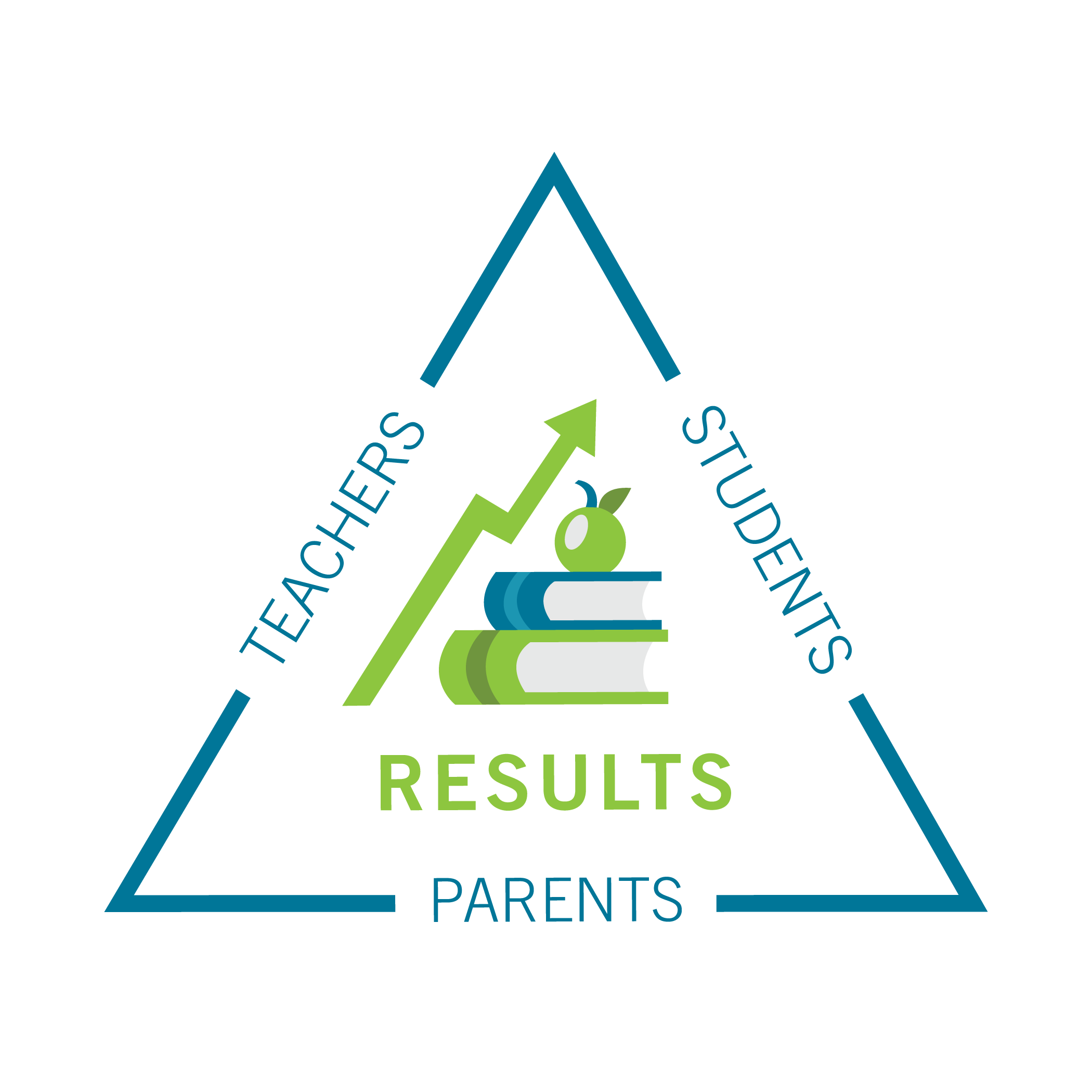 We like to think about RSM as a triangle; a three-way partnership between students, parents, and teachers. When all three sides of this triangle are actively engaged and working together, then our students are empowered to blossom as avid learners and math intellectuals.
Throughout the school year, there are a few things we encourage our parents keep in mind in order to fulfill their side of the triangle:
1. Remember that each RSM class builds on the one before it. The curriculum takes the knowledge students attained, and through the careful guidance of the teacher, encourages students to derive a new concept from it. This is why missing a class can be challenging. If your child misses a class, let them try the homework from the day they missed. If they can't complete more than half of it, please bring them to a Homework Help session.
2. RSM's methodology borrows from Vygotsky's "zone of proximal development" idea. Many of the problems in our curriculum aren’t straightforward; they include a hidden concept that, through the process of exploration, classes discover together. It’s hard to replicate that process at home, particularly if a new concept was introduced in class. If your child asks a question about the homework, please take a look at the classwork. The methodology used in class will often be reflected there. If your child's question isn't able to be resolved, talk to your child's teacher and they will make sure to cover that problem in their next class.
3. Our homework is meant to challenge our students. The homework will often include a problem that wasn't discussed in class, one that we know will be challenging for our students. We expect that some of them won't be able to solve it, but we want all students to attempt the problem. It is a great learning experience for our students to push themselves to try problems that don't come easily. And, all problems will be discussed in the next class. If you have any questions on these problems, we, as always, encourage you to reach out to your teacher. They will enjoy discussing the concepts behind each problem!
4. Key to the RSM learning process is making sure that every student “lives” in that optimal space between being challenged but not overwhelmed. Or, in other words, just slightly out of their comfort zone. If you feel that a class might be too easy or too challenging, please reach out to your teacher or principal. Our staff will help identify the best placement for each child. In addition to homework, quizzes, and tests, classroom participation is also vital in determining the best level for a student. We always want to make sure that a child is in a class where they will be able to actively participate in the discussion. By evaluating all of these factors, your teacher or principal will be able to make the best recommendation.
Remember that you are part of the RSM family! We believe that every child can learn and enjoy math, and there is nothing we love more than teaching it. RSM is structured to provide all families with necessary resources to empower their children to excel. We encourage you to make use of these and to contact your local branch with any questions!

